PLANTING TIMES:
| Spring | Fall | Winter | Wild Flowers |
Choose your grass:
If you have hard freezes - choose the Original No Mow Grass or Improved BG Mix for High Constant Traffic.
Hot Dry Areas (from Southern California through Kansas to Oklahoma) require the No mow Grass Hot Dry Mix of Alpine fescue & supine bent.
High Traffic areas will want our Improved BG creeping mix and clover to with stand high traffic.
Prepare the area and spread seed. Do not work seed into soil as it needs light to germinate.
Estimate your seed needs by measuring the area to cover. If a slope exists, use 1 LB per 500 SqFt. If planting on good flat soil, 1 LB per 1,000 to 750 SqFt will cover the area.
Back to TOP
Spring Planting:is preferred by most landscapers and gardeners for many reasons.
Nature often assists with watering your fresh new lawn.
The grass has a whole season to establish and does well over winters on it's own.

Back to TOP
Fall Planting: has a lot of benefits. Less weeds (if you have done your weed control over summer), less rush to get seed in, warm ground temperatures sprout the seed quickly and if annual rye is added to the seed - it's like getting automatic winter protection.

Prepare and plant the area 15 weeks before your zone's first frost date by removing any unwanted weeds (or grasses if planting to bare soil).
Plant at least 12 - 14 weeks before the frost date.
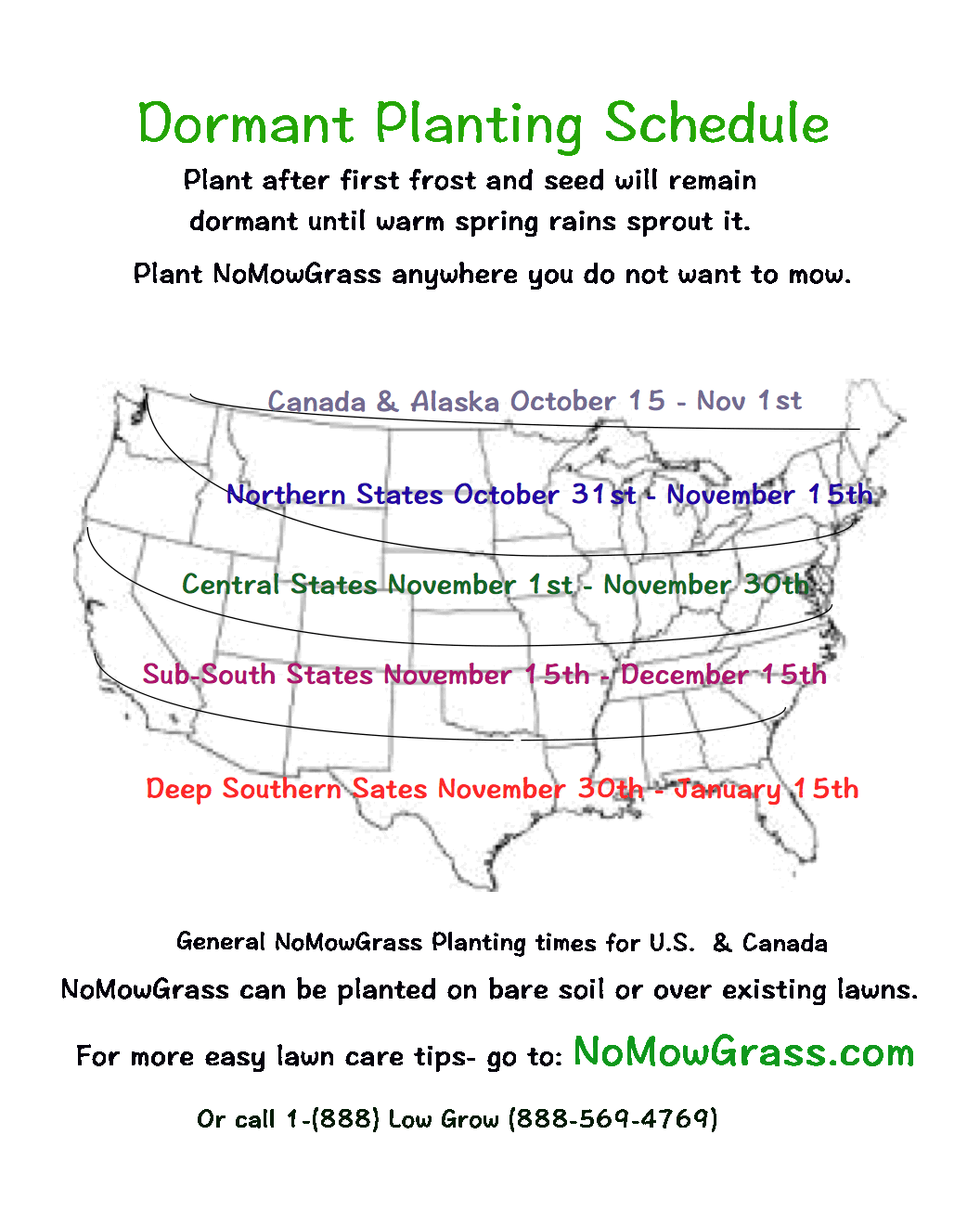
Winter Planting: Northern Areas that freeze: Dormancy planting is planting seed that will remain dormant over winter and come up in spring when the ground temperatures warm to 60 degrees. Some areas need "frost protection to keep the seed from freeze-drying over winter. Mulching over the area will ensure protection from harsh winter winds. Use a light layer (1/2") of whatever mulch you have available that is weed/seed free. Do not remove the mulch in the spring.
Back toTOP
Wild Flowers & Clover - Wild Flowers and clover can be planted anytime and will remain dormant until conditions are right for them to sprout. Some flowers require a first year dormancy and sprout the second year. We recommend planting flower seeds in flats and then placing in lawns for a soft natural meadow appearance. Spread seed over the flat and keep moist and out of direct light until they sprout. Transplant into lawn areas during spring and avoid walking on them for the first few months. After that, all the flowers we've selected will withstand moderate traffic.
Clover is recommended for high traffic areas and poor soil. Though the clover can grow to over 1' left un-attended, it only requires an occasional trim to remain short. It fills out grasses and nourishes them by adding available nitrogen to the soil. This darkens the color of many grasses to rich green.
Back to TOP